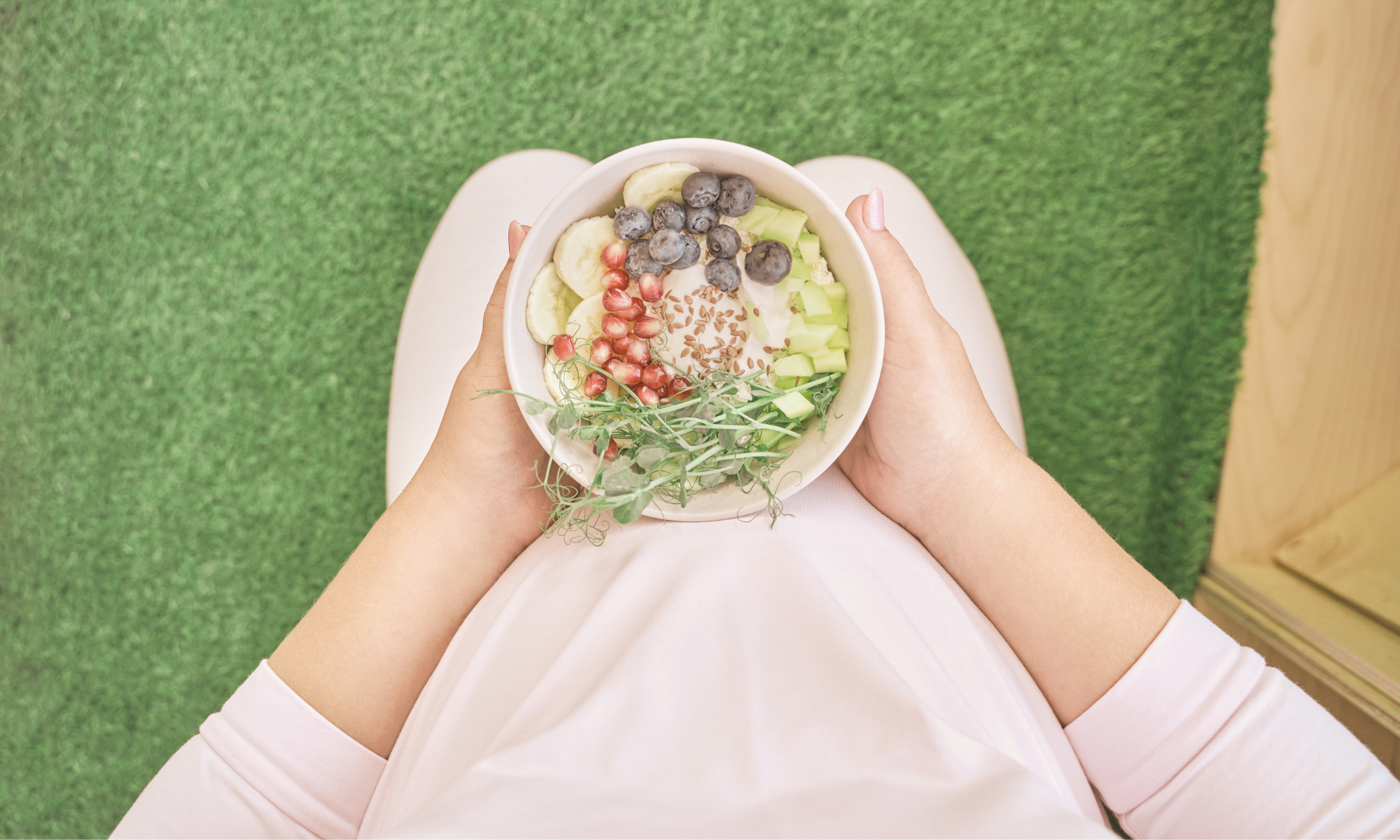
Pregnancy is a time of great change for a woman’s body. It’s a time when she needs to take extra care of herself to ensure the health of her growing baby. Proper nutrition during pregnancy is crucial for the development of the fetus and the long-term health of the child. In this article, we will discuss the importance of proper nutrition during pregnancy and how it can affect your baby’s future health.
The Impact of Maternal Nutrition on Fetal Development
The first trimester of pregnancy is a critical time for fetal growth and development. During this time, the fetus is developing its organs, nervous system, and other essential structures. A lack of proper nutrition during this time can lead to serious health problems for the baby. For example, a lack of folic acid can increase the risk of neural tube defects, such as spina bifida.
Iron is another essential nutrient during pregnancy. It’s needed for the formation of red blood cells, which carry oxygen to the fetus. A lack of iron can lead to anemia, which can affect the baby’s growth and development.
Calcium is also important during pregnancy. It’s needed for the development of the baby’s bones and teeth. A lack of calcium can lead to a deficiency in the baby, which can affect their bone growth and increase the risk of fractures later in life.
Vitamin D is needed for the absorption of calcium and is important for the development of the baby’s bones. A lack of vitamin D during pregnancy can lead to a deficiency in the baby, which can increase the risk of rickets and other bone disorders.
The Long-Term Health Effects of a Poor Pregnancy Diet
A poor pregnancy diet can have long-term health effects on the child. Studies have shown that children whose mothers had poor nutrition during pregnancy are at increased risk of obesity, diabetes, and other health conditions later in life. For example, a study published in the International Journal of Epidemiology found that children of mothers who had a poor diet during pregnancy were more likely to be overweight or obese at age 7.
The link between maternal nutrition and childhood obesity is particularly strong. A study published in the Journal of Pediatrics found that children of mothers who had a poor diet during pregnancy were twice as likely to be overweight or obese at age 6 than children whose mothers had a healthy diet during pregnancy.
A poor pregnancy diet can also increase the risk of other health conditions, such as asthma, allergies, and behavioral problems. For example, a study published in the American Journal of Clinical Nutrition found that children whose mothers had a poor diet during pregnancy were more likely to have behavioral problems at age 3.
Tips for Maintaining a Healthy Pregnancy Diet
Maintaining a healthy pregnancy diet is crucial for the health of the baby and the mother. Here are some tips for ensuring a healthy pregnancy diet:
- Eat a variety of nutrient-rich foods. A healthy pregnancy diet should include a variety of fruits, vegetables, whole grains, lean protein, and low-fat dairy products.
- Focus on key nutrients. Make sure you are getting enough folic acid, iron, calcium, and vitamin D. These nutrients are crucial for the baby’s development.
- Avoid foods that can increase the risk of foodborne illnesses. These include raw or undercooked meat, poultry, and seafood, as well as unpasteurized dairy products and juices.
- Drink plenty of water. Staying hydrated is important during pregnancy.
- Talk to your healthcare provider. Your healthcare provider can help you develop a healthy pregnancy diet and answer any questions or concerns you may have.
The Benefits of a Healthy Pregnancy Diet for the Mother
A healthy pregnancy diet can benefit the mother in many ways as well. Eating a healthy diet during pregnancy can help to:
- Reduce the risk of pregnancy complications. A healthy pregnancy diet can help to reduce the risk of complications such as gestational diabetes, preeclampsia, and preterm labor.
- Promote a healthy weight gain. Eating a healthy diet can help to ensure that the mother gains the appropriate amount of weight during pregnancy, which can reduce the risk of complications and make it easier to lose weight after pregnancy.
- Boost energy levels. Eating a healthy diet can help to boost energy levels, which can be especially important during the later stages of pregnancy when fatigue can be a problem.
- Improve mood. A healthy diet can help to improve mood and reduce the risk of depression during pregnancy.
- Prepare the body for breastfeeding. Eating a healthy diet during pregnancy can help to prepare the mother’s body for breastfeeding, which can provide many benefits for the baby.
Conclusion
In conclusion, proper nutrition during pregnancy is crucial for the health of the fetus and the long-term health of the child. A lack of key nutrients such as folic acid, iron, calcium, and vitamin D can lead to serious health problems for the baby, while a healthy pregnancy diet can help to reduce the risk of complications and promote a healthy weight gain for the mother. By following these tips for a healthy pregnancy diet and working closely with your healthcare provider, you can help to ensure the best possible health outcomes for both you and your baby.
